ANGIOEDEMA by MASTER UDUH IKENNA TOCHUKWU

 ANGIOEDEMA

MASTER UDUH IKENNA TOCHUKWU


ANGIO in medical terms means vessel; relating to blood vessels, lymph vessels, or both

EDEMA is swelling caused by too much fluid trapped in the body’s tissues.


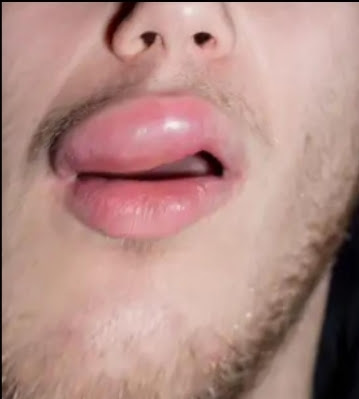
ANGIOEDEMA is a reaction to a trigger that causes swelling in the tissue below the inner layer of your skin called the dermis or the layer below a mucous membrane. 

Angioedema often happens at the same time as hives (urticaria) and for similar reasons. Both angioedema and hives happen when liquid from small blood vessels escapes and fills up tissues, causing swelling.

Usually, angioedema comes on quickly and lasts about a day or two. It most often affects your lips and eyes. However, angioedema can be serious, even fatal, when it affects your airways.

What are the types of angioedema?

There are several types of angioedema. Some organizations may classify angioedema into different types, and the types may vary. In general, though, angioedema types include:

  • Acute allergic angioedema.

  • Non-allergic drug reaction.

  • Idiopathic angioedema.

  • Hereditary angioedema.

  • Acquired C1 inhibitor deficiency.

  • Vibratory angioedema.

Acute allergic angioedema

You might be most familiar with this type of angioedema. It occurs as an allergic reaction to something you’ve come into contact with. This could be something you’ve eaten (a food or beverage), or taken (as in medications) or touched (as in items made with natural rubber latex). In addition, this type of angioedema can occur if an insect or spider bites you.

Acute allergic angioedema happens quickly, usually within minutes to about one to two hours after you’ve made contact with the allergen. You almost always have hives along with the swelling.


Non-allergic drug reaction

This type of angioedema doesn’t necessarily happen as soon as you take the medication. The most common group of medications that cause this non-allergic reaction is angiotensin-converting enzyme inhibitors, often called ACE inhibitors or ACEIs. These medications relax your blood vessels, treat heart failure and may lower blood pressure. Nonsteroidal anti-inflammatory medications, like ibuprofen and naproxen, can also cause angioedema.

Idiopathic angioedema

Idiopathic angioedema is angioedema that has no known cause. The swelling is located in your face, hands, trunk, arms and legs. Some people also have immune system conditions and emotional issues.

Hereditary angioedema

Hereditary angioedema (also called HAE) is something you get genetically from your parents. You can inherit HAE if only one parent carries the gene or has the condition. Some people have spontaneous genetic mutations that cause them to have this type of angioedema. An estimated 1 out of 50,000 people have hereditary angioedema. There are three types of this kind of angioedema, all of them related in some way to the C1 protein and/or C1 esterase inhibitor levels in your blood.

Acquired C1 inhibitor deficiency

Acquired C1 inhibitor deficiency results in angioedema, but it’s not inherited. Acquired means that you weren’t born with this deficiency but you developed it during your lifetime. This type of angioedema, like others, may affect your voice box (larynx) and result in asphyxiation (suffocation). Having B-cell lymphoma may cause acquired C1 inhibitor deficiency.


Vibratory angioedema

In this condition, the swelling is due to repeated vibrations. These can happen while you’re riding a motorcycle, running, jogging, vigorous massage or during other activities. Vibratory angioedema is a form of a similar and rare condition called chronic inducible urticaria, in which hives happen because of outside forces like cold, heat, water, pressure or vibrations. These itchy hives happen repeatedly and last for about six weeks.

Who does angioedema affect?

Angioedema can affect anyone. An estimated 20% to 25% of the U.S. population will have at least one episode of angioedema and/or hives throughout their lives.

SYMPTOMS AND CAUSES

What are the signs and symptoms of swelling (angioedema)?

Signs and symptoms of angioedema include:

  • Puffy or swollen face, especially your eyes and mouth, including lips and tongue.

  • Digestive problems when your intestines are swollen. These problems include abdominal pain, diarrhea or nausea and vomiting.

  • Swollen hands, feet or genitals.

  • Dizziness or fainting due to blood pressure changes.

  • Swelling in your mouth, throat or airway that may make it harder to breathe and talk. When this happens, it’s a medical emergency. Get help right away.

What causes angioedema?

The causes of angioedema depend on what type of angioedema you have. Allergies are probably the main cause of the swelling of angioedema. There are many types of allergies that can cause it, including:

  • Food allergies: The main culprits are milk, egg, nuts and shellfish.

  • Medication allergies: Some of the drugs that cause these allergies include antibiotics like penicillin and sulfa drugs, nonsteroidal anti-inflammatory drugs (NSAIDS) and contrast media used in imaging tests. You might also get hives with this type of allergy.

  • Venom: This is released by stinging insects and, rarely, brown recluse spider bites.

  • Natural rubber latex: Latex is used to make gloves, balloons, condoms and catheters (tubes used in medicine). Your healthcare provider has probably asked you if you’re allergic to latex.

Other causes of angioedema include inherited and acquired problems with the C1 inhibitor protein, drug reactions that aren’t standard allergy reactions (there’s no itchiness and no hives) and vibrational movements.

Is angioedema contagious?

No. You can’t catch angioedema or give it to someone else.


DIAGNOSIS AND TESTS

What tests will be done to diagnose angioedema?

It may be difficult to tell what kind of angioedema you have. Your provider will begin with a physical examination, though in many cases the swelling will be easy to see. They’ll ask you questions about:

  • When the swelling started.

  • What you may have eaten, taken or touched that could have caused the reaction.

  • What medications and supplements you're taking.

  • Whether or not you’ve had this type of reaction before.

  • Other family members who may have had swelling.

In addition to the questions, your provider may order blood or skin tests for allergies or blood tests to find out if you have angioedema related to the C1 inhibitor protein.


MANAGEMENT AND TREATMENT

How is angioedema treated?

Treating angioedema depends on what kind of angioedema you have. For severe allergic reactions, you’ll often have injectable epinephrine to carry. You should administer this while calling 911.

For allergic angioedema, your provider may suggest antihistamines or steroids. You may get them either in oral (pill or liquid) or intravenous (in the vein) form.

If you have a non-allergic drug reaction, your provider will help you find a medication to replace the one that’s causing you to swell.

Home remedies include things like using ice to reduce swelling or taking cool showers. These may work best on things like swelling in one place or all over your lip or a cool wet cloth over your swollen eyes.

If you have hereditary, idiopathic or acquired C1 inhibitor deficiency angioedema, you’ll probably be referred to a specialist. Some medications that treat or prevent heredity angioedema include:

  • C1 esterase inhibitor (recombinant) (Ruconest®).

  • C1 inhibitor (human) (Berinert®, Cinryze®, Haegarda®).

  • Ecallantide (Kalbitor®).

  • Icatibant (Firazyr®).

  • Lanadelumab (Takhzyro®).

  • Berotralstat (Orladeyo®).


PREVENTION

How can I prevent angioedema?

If you have allergy-related angioedema, you can prevent occurrences by avoiding the food, medication or other triggers that cause allergic reactions. If you have non-allergic angioedema as a drug reaction to taking ACEIs, you’ll need to work with your healthcare provider to find another medication.


OUTLOOK / PROGNOSIS

What can I expect if I have angioedema?

Most episodes of angioedema won’t last very long. They will probably resolve themselves. For severe episodes, you must have treatment to open the airways.

Is angioedema fatal?

For some people, allergic angioedema can cause anaphylaxis — severe swelling of the airways and lungs. People with this life-threatening condition should carry injectable epinephrine (EpiPen®, Auvi-Q®, Adrenaclick® and other brand names) to treat severe allergic reactions. Angioedema that affects the airways, no matter what the cause, is always a medical emergency and you should seek treatment immediately. Sometimes a tracheostomy, an opening in the windpipe/trachea, is performed to help people breathe.


LIVING WITH ANGIOEDEMA

How do I take care of myself?

If you have episodes of angioedema, you should avoid allergy triggers. If your healthcare provider suggests medications to prevent further episodes, you should take them as directed. If you need to carry injectable epinephrine, make sure you have the injectors with you at all times. Let your family and friends know how to use them.


ADVICE

If you find your eyes, lips, or hands swelling, you may be having a skin reaction known as angioedema. This may be more likely if you’re someone who deals with allergies. Keep track of when it happens and learn to avoid your triggers. If you know there are other people in your family who have had these types of reactions, you might want to bring this up to your healthcare provider who may suggest you have tests for what could be a genetic condition. It’s very important to carry your injectable epinephrine if you have angioedema related to allergies because swelling in your airways can cut off your breath.


THANK YOU !


MASTER UDUH IKENNA TOCHUKWU


CONGENITAL HEART DISEASES by Nurse Dyrionyema Munachiso Victoria

 CONGENITAL HEART DISEASES


Nurse Dyrionyema Munachiso Victoria 

DEFINITION

Congenital heart disease(CHD) is a general term for a range of birth defects that affect the normal way the heart works. They can affect how blood flows through the heart and out to the rest of the body. CHDs can vary from mild (such as a small hole in the heart) to severe (such as missing or poorly formed parts of the heart). It can be detected before birth, soon after birth or anytime throughout life. There are many kinds of CHD. 

THE HEART

The human heart is a muscular organ, around the size of a closed fist that sits in the chest, slightly to the left. The heart consists of four chambers:

The atria: These are the two upper chambers, which receive blood.

The ventricles: These are the two lower chambers, which discharge blood.

A wall of tissue called the septum separates the left and right atria and the left and right ventricle. Four valves separate the atria from the ventricles to ensure that blood only flows in one direction:

Aortic valve: This is between the left ventricle and the aorta.

Mitral valve: This is between the left atrium and the left ventricle.

Pulmonary valve: This is between the right ventricle and the pulmonary artery.

Tricuspid valve: This is between the right atrium and right ventricle.


CAUSES

CHD happens when the fetal heart doesn’t develop correctly in the uterus. This may be related to:

Abnormal chromosomes or genetics.

Drinking or smoking during pregnancy (or significant environmental exposures such as secondhand smoke).

Illnesses in the mother during pregnancy (diabetes, or viral infection).

Certain medications such as anti-seizure medicines (such as benzodiazepines) or certain acne medicines(such as isotretinoin and topical retinoids)

SYMPTOMS

A congenital heart defect is often detected during a pregnancy ultrasound. In some cases, the symptoms may not appear until shortly after birth. Newborns may experience:

Breathlessness or trouble breathing

Feeding difficulties

Low birth weight

Chest pain

Delayed growth

Bluish lips, skin, fingers, and toes

In other cases, the symptoms of a congenital heart defect may not appear until many years after birth. Once symptoms do develop, they may include:

Abnormal heart rhythms

Dizziness

Trouble breathing

Fainting

Swelling

Fatigue


TYPES

Aortic valve stenosis

In aortic valve stenosis, the aortic valve that controls the flow of blood out of the left ventricle to the aorta is narrowed. This affects the flow of oxygen-rich blood away from the heart, towards the rest of the body, and may result in the left ventricle muscle thickening because the pump has to work harder.

Coarctation of the aorta

Coarctation of the aorta (CoA) is where the aorta has a narrowing, which means that less blood can flow through it. CoA can occur by itself or in combination with other types of heart defects, such as a ventricular septal defect or a type of defect known as a patent ductus arteriosus. The narrowing can be severe and will often require treatment shortly after birth.


Patent ductus arteriosus

As a baby develops in the womb, a blood vessel called the ductus arteriosus connects the pulmonary artery directly to the aorta. The ductus arteriosus diverts blood away from the lung (which isn't working normally before birth) to the aorta. A patent ductus arteriosus is where this connection doesn't close after birth as it's supposed to. This means that extra blood is pumped into the lungs, forcing the heart and lungs to work harder.


Pulmonary valve stenosis

Pulmonary valve stenosis is a defect where the pulmonary valve, which controls the flow of blood out of the right ventricle to the lungs, is narrower than normal. This means the right ventricle has to work harder to push blood through the narrowed valve to get to the lungs.


Septal defects

A septal defect is where there's an abnormality in the wall (septum) between the main chambers of the heart. There are 2 main types of septal defect.

Atrial septal defects

An atrial septal defect (ASD) is where there's a hole between the 2 collecting chambers of the heart (the left and right atria). When there's an ASD, extra blood flows through the defect into the right side of the heart, causing it to stretch and enlarge.


Ventricular septal defects

A ventricular septal defect (VSD) is a common form of congenital heart disease. It occurs when there's a hole between the 2 pumping chambers of the heart (the left and right ventricles). This means that extra blood flows through the hole from the left to the right ventricle, due to the pressure difference between them. The extra blood goes to the lungs, causing high pressure in the lungs and a stretch on the left ventricle. Small holes often eventually close by themselves, but larger holes need to be closed using surgery.


Single ventricle defects

A single ventricle defect is where only 1 of the ventricles develops properly. Without treatment, these defects can be fatal within a few weeks of birth. However, nowadays complex heart operations can be carried out which improve longer-term survival but may leave a person with symptoms and a shortened life span.


Tetralogy of Fallot

Tetralogy of Fallot is a rare combination of several defects. The defects making up tetralogy of Fallot are:

Ventricular septal defect – a hole between the left and right ventricle

Pulmonary valve stenosis – narrowing of the pulmonary valve

Right ventricular hypertrophy – where the muscle of the right ventricle is thickened

Overriding aorta – where the aorta isn't in its usual position coming out of the heart

As a result of this combination of defects, oxygenated and non-oxygenated blood mixes, causing the overall amount of oxygen in the blood to be lower than normal. This may cause the baby to appear blue (known as cyanosis) at times. 

DIAGNOSIS

Diagnosis during pregnancy

Congenital heart disease may initially be suspected during a routine ultrasound scan of the baby in the womb. Specialist ultrasound, called foetal echocardiography, will then be carried out at around 18 to 22 weeks of the pregnancy to try to confirm the exact diagnosis.

Diagnosis after birth

It's sometimes possible to diagnose a baby with congenital heart disease shortly after birth if some of the characteristic signs or symptoms of congenital heart disease, such as a blue tinge to the skin or lips (cyanosis), are present. However, some defects don't cause any noticeable symptoms for several months or even years. Further testing can usually help to confirm or rule out a diagnosis.

Echocardiography

An echocardiogram is often used to check the inside of the heart. Heart problems that were missed during foetal echocardiography can sometimes be detected as a child develops.

Chest X-ray

A chest X-ray of the heart and lungs can be used to check whether there's an excess amount of blood in the lungs, or whether the heart is larger than normal. Both may be signs of heart disease.

Pulse oximetry

Pulse oximetry is a test that measures the amount of oxygen present in the blood. The test involves placing a special sensor on the fingertip, ear or toe that sends out light waves. A computer is connected to the sensor and measures how the light waves are absorbed. Oxygen can affect how the light waves are absorbed, so by analysing the results, the computer can quickly determine how much oxygen is present in the blood.

Cardiac catheterisation

Cardiac catheterisation is a useful way of obtaining more information about exactly how the blood is being pumped through the heart. During the procedure, a small, flexible tube called a catheter is inserted into a blood vessel, usually through an artery and/or vein in the groin, neck or arm. The catheter is moved into the heart, guided by X-rays or sometimes an MRI scanner, and allows pressure measurements in different parts of the heart or lungs to be taken.

PREVENTION

As so little is known about the causes of congenital heart disease, there's no guaranteed way of avoiding having a baby with the condition. However, if one is pregnant, the following advice can help reduce the risk:

Ensure you are vaccinated against rubella and flu.

Avoid drinking alcohol 

Take 400 micrograms of folic acid supplement a day during the first trimester (first 12 weeks)– this lowers your risk of giving birth to a child with congenital heart disease, as well as several other types of birth defect.

Check with your doctor before taking any medicine during pregnancy, including herbal remedies and medicine that's available over the counter.

Avoid contact with people who are known to have an infection.

If you have diabetes, make sure it's controlled.

TREATMENT

 The treatment for a congenital heart defect depends on the type and severity of the defect. Some babies have mild heart defects that heal on their own with time. Others may have severe defects that require extensive treatment. In these cases, treatment may include the following:

Medications

There are various medications that can help the heart work more efficiently. Some can also be used to prevent blood clots from forming or to control an irregular heartbeat.

Implantable Heart Devices

Some of the complications associated with congenital heart defects can be prevented with the use of certain devices, including pacemakers and implantable cardioverter defibrillators (ICDs). A pacemaker can help regulate an abnormal heart rate, and an ICD may correct life-threatening irregular heartbeats.

Catheter Procedures

Catheterization techniques allow doctors to repair certain congenital heart defects without surgically opening the chest and heart. During these procedures, the doctor will insert a thin tube into a vein in the leg and guide it up to the heart. Once the catheter is in the correct position, the doctor will use small tools threaded through the catheter to correct the defect.

Open-Heart Surgery

This type of surgery may be needed if catheter procedures aren’t enough to repair a congenital heart defect. A surgeon may perform open-heart surgery to close holes in the heart, repair heart valves, or widen blood vessels.

Heart Transplant

In the rare cases in which a congenital heart defect is too complex to fix, a heart transplant may be needed. During this procedure, the child’s heart is replaced with a healthy heart from a donor.

CONGENITAL HEART DISEASE IN ADULTS

Depending on the defect, diagnosis and treatment may begin shortly after birth, during childhood, or in adulthood. Some defects don’t cause any symptoms until the child becomes an adult, so diagnosis and treatment may be delayed. The treatment for congenital heart disease in adults can also vary depending on the severity of the heart defect.

In some cases, defects that may have been treated in childhood can present problems again in adulthood. The original repair may no longer be effective or the initial defect may have become worse over time. Scar tissue that developed around the original repair may also end up causing problems, such as heart arrhythmias.

Regardless of the situation, it’s important for one to continue seeing his/her doctor for follow-up care. Treatment may not cure the condition, but it can help maintain an active, productive life. It will also reduce ones risk for serious complications, such as heart infections, heart failure, and stroke.

LEARNING FROM MISTAKES AND STRUGGLES by Sr. Sandra Anikpe, LDJ

 LEARNING FROM MISTAKES AND STRUGGLES

Sr. Sandra Anikpe, LDJ

INTRODUCTION

Mistakes and struggles are different words addressing issues from different views and the understanding of one differs from the other. However, this presentation will help deepen your knowledge of what the topic is addressing. The life of a human person evolves with challenges that at times pull one to make mistakes experiences as a result; one begins to struggle out of dilemmatic situations they have found themselves. Every human person has the potential to make mistakes thus within the situation, seek a remedy to overcome such a challenge.

Do not remain where you are! Come out of it.

MEANING OF MISTAKES: It is an error committed unintentionally. We make mistakes daily, and learning from our mistakes is one thing, putting it into practice is another thing. " We all make mistakes, have struggles, and even regret things in our past. But you are not your mistakes; you are now with the power to shape your day and future". Steve Maraboli.

However, struggle means striving to labour in difficulties. Unfortunately, many of us are living with past errors; thus refuse vehemently to let go of the past pains. How possibly do you want to grow and achieve your goals with such pains? Most people find it difficult to forgive themselves, they are hurt and bittered. This has reminded me of a medical doctor who killed himself at Lagos in the river lagoon. Just imagine what the doctor went through, Who knows what was eating him up with all his achievements, yet, he ended his life, just like that.

Therefore, many are regretting why they killed their family members for money rituals, many are regretting why they aborted or sold their babies. Many are regretting why they divorced their partners, many are regretting why they quit their formal jobs or congregations. Can you forget and let go of your past pains? Assure yourself that you can do better and are made for things that are more extraordinary. 

THE REASON MOST PEOPLE DO NOT LEARN FROM THEIR MISTAKES AND STRUGGLES


PRIDE: Pride is one of the most powerful vices a person can possess. It is among the seven capital sins, Fr. Mike said, “Consider pursuing this one antidote in combatting pride and to help you grow in humility”. When one always claims to be right, not allowing yourself for corrections; that's where your problem will take root. Pride has caused more harm than good in our lives. Once you make pride your best friend, peace will depart from you. You will continue to make mistakes throughout your life without learning the lessons that come with them. Humility is the only antidote to overcoming pride.

IRRESPONSIBILITY: the state of not being responsible for your actions. We are good at blaming others. We do not want to take responsibility for our failures and actions. We often fix our attention on people's faults, we refuse to see ours and work on them. We deny and blame those closer to us; instead of giving it a second thought. It is high time we start taking responsibility for our mistakes and struggles.

LACK OF SELF-EXAMINATION: Examine your conscience daily, try by all means to examine yourself at the end of the day. Examine how your day went, how you cheated on someone at the market, how you helped that old woman with loads, how you insulted the lady that came to your shop. According to (CCC No. 1778), “Conscience is a judgment of reason whereby the human person recognizes the moral quality of a concrete act that he is going to perform, is in the process of performing, or has already completed. In all he says and does, a man is obliged to follow faithfully what he knows to be just and right. It is by the judgment of his conscience that man perceives and recognizes the prescriptions of the divine law:

Similarly, Conscience is a law of the mind; yet [Christians] would not grant that it is nothing more; I mean that it was not a dictate, nor conveyed the notion of responsibility, of duty, of a threat and a promise. . . . [Conscience] is a messenger of him, who, both in nature and in grace, speaks to us behind a veil, and teaches and rules us by his representatives. Conscience is the aboriginal Vicar of Christ”. How you gossip and castigate your colleagues etc. Examine your mistakes and Achievements. Unfortunately, many don't examine themselves, and that's why they refuse to learn from their mistakes and struggles. Additionally, the absence of conscience is absent of good and a pivotal degradation of self-worth.

UNFORGIVENESS: People who have an unforgiven spirit can hardly learn from their mistakes and struggles. Because their hearts are made of rocks. That is the reason many are finding it difficult to forgive themselves for the mistakes they made long ago. Some decided to commit suicide. You need to free yourself from that painful experience that is weighing you down. Forgive your Aunt who maltreated you, forgive that uncle of yours who raped you at the age of eight. Forgive them all and move on with your life. Be courageous, you're made to be great. Please forgive yourself and forgive them all.

According to (CCC part V No. 2838-2840), "AND FORGIVE US OUR TRESPASSES, AS WE FORGIVE THOSE WHO TRESPASS AGAINST US". “This petition is astonishing. If it consisted only of the first phrase, "And forgive us our trespasses," it might have been included, implicitly, in the first three petitions of the Lord's Prayer, since Christ's sacrifice is "that sins may be forgiven." according to the second phrase, our petition will not be heard unless we have first met a strict requirement. Our petition looks to the future, but our response must come first, for the two parts are joined by the single word "as." AND FORGIVE US OUR TRESPASSES.

 However, with bold confidence, we began praying to our Father. In begging him that his name be hallowed, we were asking him that we might be always made more holy. Though we are clothed with the baptismal garment, we do not cease to sin, to turn away from God. Now, in this new petition, we return to him like the prodigal son and, like the tax collector, recognize that we are sinners before him. Our petition begins with a "confession" of our wretchedness and his mercy. Our hope is firm because, in his Son, "we have redemption, the forgiveness of sins." We find the efficacious and undoubted sign of his forgiveness in the sacraments of his Church. 

Now - and this is daunting - this outpouring of mercy cannot penetrate our hearts as long as we have not forgiven those who have trespassed against us. Love, like the Body of Christ, is indivisible; we cannot love the God we cannot see if we do not love the brother or sister we do see. In refusing to forgive our brothers and sisters, our hearts are closed and their hardness makes them impervious to the Father's merciful love; but in confessing our sins, our hearts are opened to his grace.

THE FOLLOWING ARE SOME LESSONS FROM MISTAKES AND STRUGGLES

Mistakes help one to be aware of him or herself, knowing when to act, and when to be mute.

Determination and focus in life.

To be resilient in all ramifications    

It helps us to value what we have.

It helps one to be hardworking, humble and always ready for changes.

It helps one to be disciplined

HOW YOU CAN LEARN FROM YOUR MISTAKES AND STRUGGLES 

At first, after making mistakes, you are to call yourself to order through the following:

SELF ACCEPTANCE: Accept who you are, love your wonderful self, tell yourself how wonderful you are, advise yourself and accept it how is. Tell yourself you are trying. Therefore, they are the areas you are to work on. Because you are lagging. After all these, see how your beautiful heart will rejoice. We do feel sad when mistakes are observed in us, just because we have not yet accepted ourselves. Accept your mistakes and learn from your struggles.

MEDITATION/REFLECTION

Meditate on the mistakes and struggles that you have made or passed through. See reasons to let go of them; and reflect on the next way to follow, instead of holding onto them and hurting your precious self and future.

3. ACKNOWLEDGEMENT / FORGIVENESS: After meditating and reflecting on your past mistakes and struggles, be kind enough to acknowledge that you have made mistakes and forgive yourself. Once you are unable to forgive yourself, the next option is to commit suicide. As Bruce Lee said, "Mistakes are always forgivable if one dares to admit it. 

4. IDENTIFYING THE LESSONS: In any mistakes or struggles, try to see lessons in them and grab them immediately. Do not relax or feel sad forever, fix your broken self by learning the lessons that come with it, so that you can move like a giant with confidence. This has to do with diligence, focus and learning. 

5. PUTTING LESSONS INTO PRACTICE: Identifying the lessons and putting them into practice are different things altogether. So after identifying your lessons, be ready to put them into practice. Many are still bitter and pained about their mistakes and struggles, many went through hell at the hands of people just to earn a living, and they are still bitter. I encourage you today, to look into them and learn some lessons that will help you and your generation to come.

6. ACCEPTING CORRECTIONS: Most of us are always ready to pick a fight when corrected. We are always right. Let me tell you today, nobody is above correction. Open up yourself and you will learn a lot in this journey of life. Anybody that corrects you loves you and wants the best for you. Instead of accepting with thanks, we try to put the fault or blame on another person's head. Put pride aside and accept that you are wrong, and you will not die. Learn from the correction and move on with your life. 

CONCLUSION

Coming out of experiences of the past that have partly erupted your life and as barriers to your self-development, is not a question of automatic total freedom of self, it is a process of openness and being ready to accept the reality and assimilating all the remedies listed above will help you transcend beyond odds. You will receive healing of the mind, soul, and body when you can forgive those who have caused you pain and liquidized your life then you will break free from all bitterness. 


Overcoming self doubt, Worry and fear by Nrs. Abani Bernadette Amarachi

 Overcoming self doubt, Worry and fear

 Nrs. Abani Bernadette Amarachi

On 26thJuly,2023.

INTRODUCTION 

Life can be unpredictable, and there is a lot going on in the world. Feelings of self doubt, worry and fear are perfectly natural. However, worrying constantly or excessively about what ‘may’ happen can get you stuck in a cycle of harmful thoughts and behaviors.

We all experience feelings of self-doubt from time to time, whether we are starting a new job, taking a test, or playing a sport. That’s perfectly normal. 

A certain low level of self-criticism can be a good source of motivation. It use may inspire you to work harder and hone your skills to increase your confidence. But too much doubt, worry and fear can hold you from performing well and reaching your full potential.

WHAT IS SELF-DOUBT?

Self-doubt is a lack of confidence regarding yourself and your abilities. It’s a mindset that holds you back from succeeding and believing in yourself. 

  self-doubt can also mean experiencing feelings of uncertainty about one or more aspects of yourself. 

William Shakespeare once said, “Our doubts are traitors, and make us lose the good we often might win, by fearing to attempt.” Basically, that means doubt makes us quit.

WHAT IS WORRY?

The Term “worry” refers to a state of anxiety or unease about potential problems or uncertainties, typically concerning the future. It involves dwelling on negative thoughts and apprehensions, often related to things that are beyond one’s control. Worrying can lead to emotional distress, stress, and even physical symptoms such as headaches or stomachaches.

Worrying is a natural human response to challenging situations or perceived threats, but excessive or chronic worrying can be detrimental to one’s well-being. It may interfere with daily functioning, relationships, and overall quality of life.

WHAT IS FEAR?

The term “Fear” is a strong, uncontrollable, unpleasant emotion or feeling caused by actual or perceived danger or threat. Fear comes in many forms. Fear can come in procrastination, professionalism, insecurities , social rejection, physical threat, Resistance and fear of failure.

No matter the form or type of fear, all fear are just illusion of the mind. Fear only exist to you in your mind and there is a purpose of fear. The practical purpose of fear is protecting you from the unknown, what’s New and What’s happening around you. Basically anything new and unknown is going to Be scary because you don’t know what is going to happen or if it’s going to hurt you or not and that’s why you feel fear. As human being it is normal to feel fear but don’t let your fear control you that is the choice you have got to make.

FEAR: False Evidence Against Reality .

HOW TO OVERCOME SELF- DOUBT, WORRY AND FEAR 

Overcoming self-doubt, worry and fear is a common struggle that many people face at various points in their lives. It is important to remember that these emotions are normal and experienced by most individuals. Here are some strategies to help you work through them:

RECOGNIZE AND ACKNOWLEDGE YOUR EMOTIONS: The first step in dealing with self-doubt, worry and fear is to recognize and accept that you are experiencing these feelings. Avoid suppressing or denying them; instead, allow yourself to feel them fully.

IDENTIFY THE SOURCE: Try to understand the root cause of your self-doubt, worry or fear. Are there specific triggers or patterns that lead to these emotions? Identifying the source can help you address the underlying issues.

CHALLENGE NEGATIVE THOUGHTS: Self-doubt, worry and fear often stem from negative thoughts and beliefs about oneself or the future. When you catch yourself thinking negatively, challenge those thoughts. Ask yourself if there is evidence to support them or if they are simply unfounded assumptions.

PRACTICE SELF-COMPASSION: Treat yourself with kindness and understanding, just as you would to a friend who is going through a difficult time. Remember that everyone makes mistakes and experiences setbacks; it’s a natural part of being human.

SET REALISTIC GOALS: Unrealistic expectations can fuel self-doubt and worry. Set achievable goals for yourself, and celebrate your progress, no matter how small.

FOCUS ON YOUR STRENGTHS: Shift your focus from your perceived weaknesses to your strengths and accomplishments. Recognize the positive aspects of yourself and your abilities.

LIMIT EXPOSURE TO NEGATIVITY: Be mindful of the content you consume, especially on social media. Surround yourself with positive and supportive influences that inspire and uplift you.

TAKE SMALL STEPS: If fear is holding you back from pursuing something important to you, break it down into smaller, manageable steps. Taking small steps can make the process less overwhelming.

SEEK SUPPORT: Share your feelings with someone you trust, such as a friend, family member, or therapist. Talking about your emotions can provide relief and offer a different perspective on your situation.

PRACTICE MINDFULNESS AND RELAXATION TECHNIQUES: 

Engage in mindfulness meditation, deep breathing exercises, or yoga to help calm your mind and reduce anxiety.

CHALLENGE YOURSELF: Face your fears gradually. Engage in activities that push you slightly outside your comfort zone, helping you build resilience and confidence.

LEARN FROM PAST EXPERIENCES: Reflect on past situations where you doubted yourself or felt fearful. Consider what you learned from those experiences and how they can guide you in the present.


MANAGEMENT OF SELF DOUBT:

Overcoming self-doubt often involves building self-confidence, challenging negative thoughts and beliefs, setting realistic goals, and recognizing and celebrating one’s achievements. Seeking support from friends, family, or a professional counselor can also be beneficial in addressing and managing self-doubt. Remember that self-doubt is not a reflection of your true abilities or worth; it’s a temporary emotional state that can be managed and transformed with time and effort.

MANAGEMENT OF FEAR :

It is important to note that fear is a normal and adaptive emotion that can help protect us from real dangers. However, excessive or irrational fear can be problematic and may require attention and management.

Dealing with fear in daily life involves acknowledging and understanding the sources of fear, seeking support from loved ones, employing coping strategies, and, if needed, seeking professional help from therapists or counselors to address any persistent and overwhelming fears. Learning to manage fear can lead to personal growth, increased resilience, and improved overall well-being.

MANAGEMENT OF WORRY:

Addressing worries and concerns in a healthy way involves acknowledging and understanding the source of the worry, evaluating the likelihood and severity of the feared outcome, and finding constructive ways to cope with or mitigate the perceived risks. Techniques such as mindfulness, problem-solving strategies, seeking support from others, or engaging in relaxation exercises can help manage worry and reduce its negative impact.

SUMMARY

Remember that overcoming self-doubt, fear, and worry is a process that takes time and effort. Be patient with yourself, and don’t hesitate to seek professional help if you find it challenging to cope on your own. A therapist or counselor can offer guidance and support in navigating these emotions and developing coping strategies.

In addition ,If you are suffering from self doubt, fear and worries while others are intimated by your full potential. If your past self could see where you’re at today, Think of how impressed they would be.

One of the greatest ways you can overcome self doubt, fear and worry is to realize how far you have come.

Maybe you are not exactly where you want to be but you are a lot better than where you were. And the key is to wake up, put one foot in front of the other, keep moving, keep growing and trust in God.

We are all beautifully and wondering made by God.

Thanks for reading 😊

CHEST PAIN NWODO FRANCIS MICHEAL

WHAT IS THIS THING CALLED CHEST PAIN

NWODO FRANCIS MICHEAL


Chest pain otherwise known as Angina Pectoris is not a disease but a symptom of heart disease.

The word Angina means tightness, squeezing, pressure or pain of the chest, while the word Pectoris is gotten from the type of skeletal muscle of the chest known as pectoralis muscle.


Therefore Angina pectoris or chest is tightness and squeezing pain on the chest when an area of the heart muscles receives less blood oxygen than usual due to block of the arteries that supply that part of the heart muscles.

Alone angina is not life threatening, but it can resemble the symptoms of a heart attack, and it is a sign of heart disease.

Exercise brings on the pain while rest relieves the pain.

HOW DO I KNOW I DON’T HAVE IT?

Angina usually occurs with exercise or vigorous activity that needs more energy.

The persons may experience the following 

Pain in the shoulder, back, neck, arm or jaw

Shortness of breaths, anxiety or fear 

Tightness of the chest

Squeezing and constricting heavy pain.

This sign usually subsides with rest or relaxation.

If don’t usually experience this signs and symptoms it means you don’t have angina pectoris or chest pain. 

TYPES OF CHEST PAIN

There are several types of angina including:

STABLE ANGINA

This occurs when the heart is working harder than usual, for instance during exercise.

It last for 5 minutes

It has a regular pattern and may happen for months or years

Rest and medication often relieve the pain


UNSTABLE ANGINA

It does not follow regular pattern.

Occurs during rest.

It is mostly resulting from atherosclerosis which prevents blood from reaching the heart.

Last more than 5 minutes and may worsen over time

Rest and medication alone may not improve symptoms.

It usually indicates the risk for heart attack.

MICROVASCULAR ANGINA

This affects smallest coronary arteries of the heart

It more persistent than stable angina

Lasts longer than 10min sometimes 30min

VARIANT ANGINA

It is rare

Sometimes called prinzmetal angina

Can develop at rest around midnight or the early morning

Possible triggers include: exposure to cold, stress, medicine smoking, cocaine use.

RISK FACTORS FOR ANGINA

This can develop as a result of 

Stress

Overuse of alcohol or drugs

Smoking

Exposure to particles pollution for example at work

Sedentary life style

Unhealthy diet

High cholesterol levels

Obesity

Genetic factors

Diabetes, low blood pressure

Anemia

An age of over 45, for males, or 55, for females


TRIGGERS OF CHEST PAIN 

Physical exertion

Stress

Exposure to low temperature


EFFECTS OF CHEST PAIN

Effect on work and social life limiting the nature and frequency of activities you do as an individual. 


HOW TO PREVENT CHEST PAIN

The following strategies can help prevent chest pain

Having a varied, nutritious, “heart healthy” diet like fruits, vegetables and good fats from plants.

Avoiding or quitting smoking

Getting regular exercise

Practicing ways to manage stress

SUMMARY

Angina involves sensation if pain squeezing, or pressure in the chest, and it results from too little oxygen reaching the heart muscle. 

It is not necessarily dangerous, but it can be a sign of heart disease

Anyone who experiences sudden, unexplained, worsening or chest pain should seek medical attention right away.

LIVER CIRRHOSIS by Dyrionyema Munachiso Victoria

 LIVER CIRRHOSIS


Dyrionyema Munachiso Victoria

Cirrhosis of the liver is a type of liver damage where healthy cells are replaced by scar tissue. This serious condition can be caused by many forms of liver diseases and conditions, such as hepatitis or chronic alcoholism. Each time the liver is injured, it tries to repair itself. In the process, scar tissue forms. As cirrhosis gets worse, more and more scar tissue forms, making it difficult for the liver to do its job. Advanced cirrhosis is life-threatening.

Depending on the cause, cirrhosis can develop over months or years. The liver damage caused by cirrhosis generally cannot be undone. But if diagnosed early and the underlying cause is treated, further damage can be limited. Treatment aims to halt liver damage, manage the symptoms and reduce the risk of complications.

SYMPTOMS

With early cirrhosis, there are often no symptoms. But, as scar tissue accumulates, it undermines the liver’s ability to function properly. A person may notice:

Fatigue.

Easily bleeding or bruising.

Loss of appetite.

Nausea.

Swelling in the legs, feet or ankles, called edema.

Weight loss.

Itchy skin.

Yellow discoloration in the skin and eyes, called jaundice.

Fluid accumulation in the abdomen.

Spiderlike blood vessels on the skin.

Redness in the palms of the hands.

Pale fingernails, especially the thumb and index finger.

Clubbing of the fingers, in which the fingertips spread out and become rounder than usual.

For women, absence of or loss of periods not related to menopause.

For men, loss of sex drive, testicular shrinkage or breast enlargement, known as gynecomastia.

Confusion, drowsiness or slurred speech.

CAUSES

A wide range of diseases and conditions can damage the liver and lead to cirrhosis. Some of the causes include:

Long-term alcohol abuse.

Ongoing viral hepatitis (hepatitis B, C and D).

Nonalcoholic fatty liver disease, a condition in which fat accumulates in the liver.

Hemochromatosis, a condition that causes iron buildup in the body.

Autoimmune hepatitis, which is a liver disease caused by the body's immune system.

Wilson's disease, a condition in which copper accumulates in the liver.

Cystic fibrosis.

Poorly formed bile ducts, a condition known as biliary atresia.

Inherited disorders of sugar metabolism, such as galactosemia or glycogen storage disease.

Infection, such as syphilis.

Medications, including methotrexate or isoniazid.

COMPLICATIONS

Complications of cirrhosis can include:

High blood pressure in the veins that supply the liver. This condition is known as portal hypertension. Cirrhosis slows the regular flow of blood through the liver. This increases pressure in the vein that brings blood to the liver.

Swelling in the legs and abdomen. The increased pressure in the portal vein can cause fluid to accumulate in the legs, called edema, and in the abdomen, called ascites. Edema and ascites also may happen if the liver can't make enough of certain blood proteins, such as albumin.

Enlargement of the spleen. Portal hypertension can cause the spleen to trap white blood cells and platelets. This makes the spleen swell, a condition known as splenomegaly. Fewer white blood cells and platelets in the blood can be the first sign of cirrhosis.

Infections. If you have cirrhosis, your body may have a hard time fighting infections. Ascites can lead to bacterial peritonitis, a serious infection.

Malnutrition. Cirrhosis may make it more difficult for your body to process nutrients, leading to weakness and weight loss.

Buildup of toxins in the brain. A liver damaged by cirrhosis can't clear toxins from the blood as well as a healthy liver can. These toxins can then build up in the brain and cause mental confusion and difficulty concentrating. This is known as hepatic encephalopathy. With time, hepatic encephalopathy can progress to unresponsiveness or coma.

Jaundice. Jaundice occurs when the diseased liver doesn't remove enough bilirubin, a blood waste product, from the blood. Jaundice causes yellowing of the skin and whites of the eyes and darkening of urine.

Increased risk of liver cancer. A large proportion of people who develop liver cancer have pre-existing cirrhosis.

Acute-on-chronic cirrhosis. Some people end up experiencing multiorgan failure. Researchers now believe this is a complication in some people who have cirrhosis. However, they don't fully understand what causes it.

PREVENTION

Limit alcohol intake 

Adopt a healthy eating diet

Maintain a healthy weight

Reduce the risk of hepatitis

DIAGNOSTIC INVESTIGATIONS

Tests may include:

Blood tests. A panel of liver function tests can show signs of liver disease and liver failure. These measure liver products like liver enzymes, proteins and bilirubin levels in the blood.

Imaging tests. Imaging tests like an abdominal ultrasound, CT scan or MRI can show the size, shape and texture of the liver. A special type of imaging test called elastography uses ultrasound or MRI technology to measure the level of stiffness or fibrosis in the liver.

Liver biopsy. A liver biopsy is a minor procedure to take a small tissue sample from the liver to test in a lab. While not always necessary, a liver biopsy can confirm cirrhosis and may help determine the cause.


TREATMENT

Treatment for cirrhosis of the liver includes:

Treating the cause

Some medications can treat certain types of liver diseases, with varying levels of success. Other medications can reverse the effects of certain inherited diseases but may only treat the symptoms of others.

Diet and lifestyle

Even if the liver disease is from other factors, eliminating alcohol and drugs that damage the liver will help preserve the liver longer.

Treating the complications

Once a healthcare provider has diagnosed cirrhosis, they’ll also check for common side effects. Portal hypertension is the most common side effect and comes with its own set of complications, each requiring specific treatments.

Liver transplantation

Widespread scarring may be irreversible. In these cases, the person may

 need a liver transplant, and this procedure is often a last resort.

THE GREAT REHEARSAL FOR THE GREATEST SHOW | Dr. Edward Akpan Umoren (Mary's Boy)

 Some of us here, have not experienced the level of engagement and planning which the few days before a Nigerian wedding celebration require...